


Apparel Collage catalog ad examples
Apparel catalog ads sell fit and drape, so an on-body context — a street scene, a fitting-room mirror, a model mid-stride — converts better than a garment shot flat on a hanger. Collage catalog ads put several shots of one product in a single frame — a lifestyle scene, a clean packshot and a close-up of the detail — so one creative answers how it looks in use, on its own and up close. 11 AI-generated creatives in this collection, including Mango Zebri straight jean in zebra print, Adapt Solid Leggings and Striped cotton and lyocell shirt.
At a glance
- Creatives
- 11
- Most common format
- Square
11 creatives
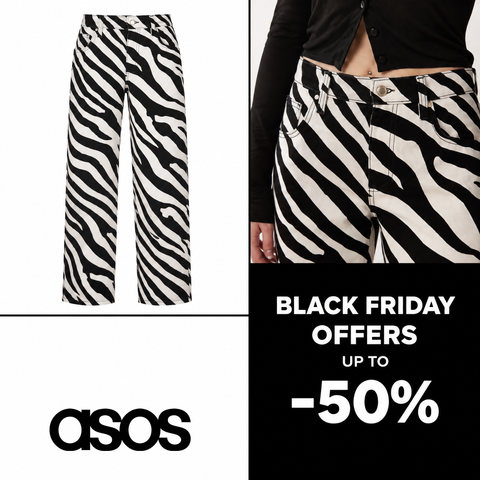 Mango Zebri straight jean in zebra printCollage
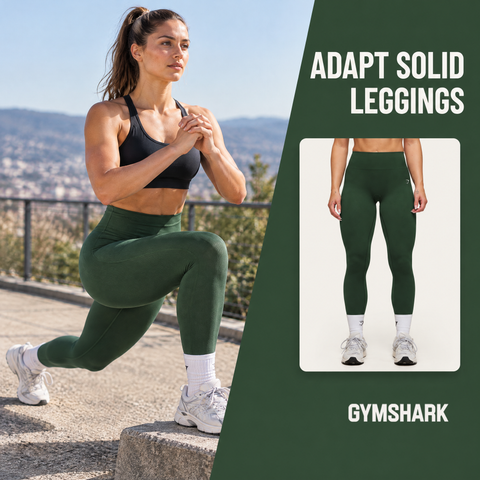 Adapt Solid LeggingsCollage
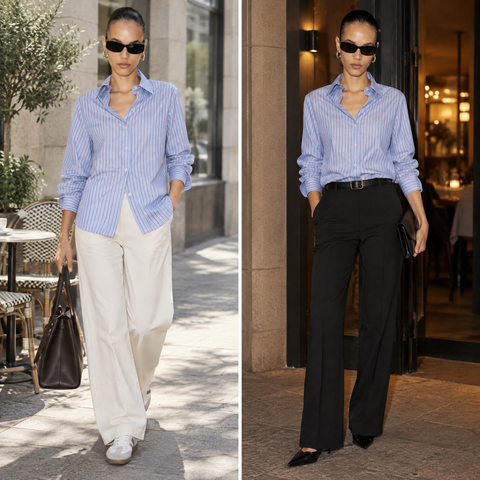 Striped cotton and lyocell shirtCollage
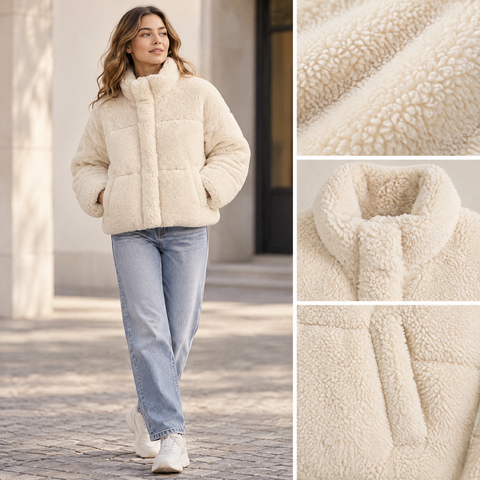 LEVI'S ® Winter jacket 'BRYNN' in Wool WhiteCollage
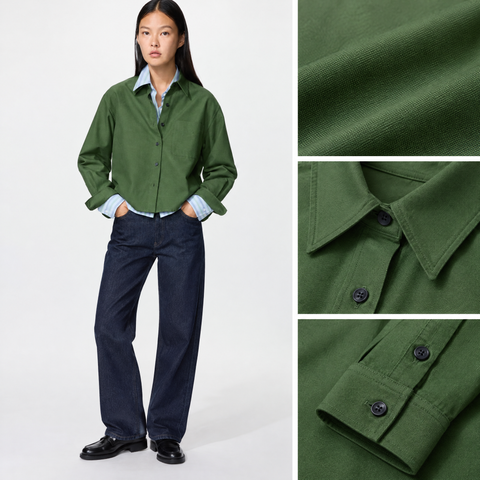 Oxford Boxy ShirtCollage
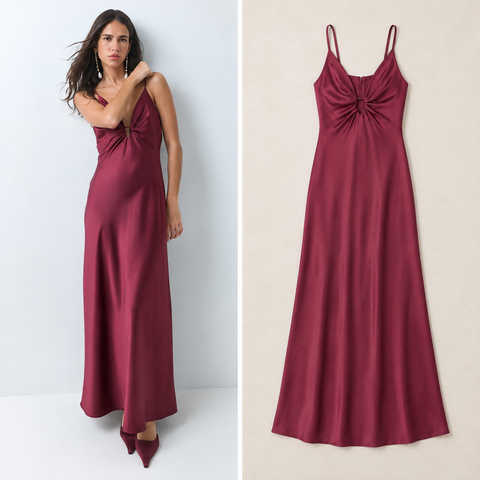 Mango strappy maxi dress in berryCollage
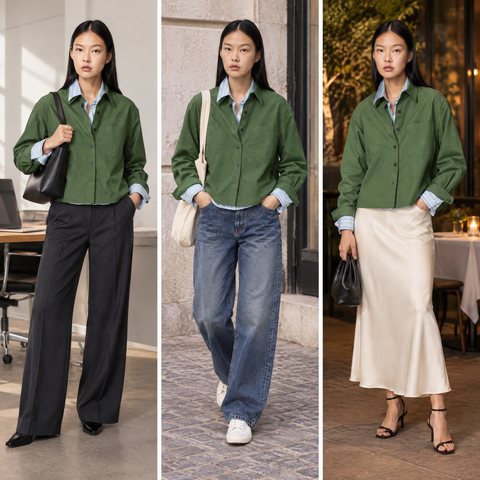 Oxford Boxy ShirtCollage
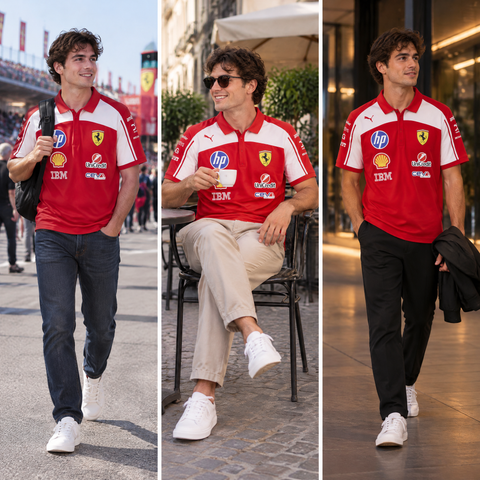 Scuderia Ferrari F1 galléros póló, csapat, Puma, piros, 2026Collage
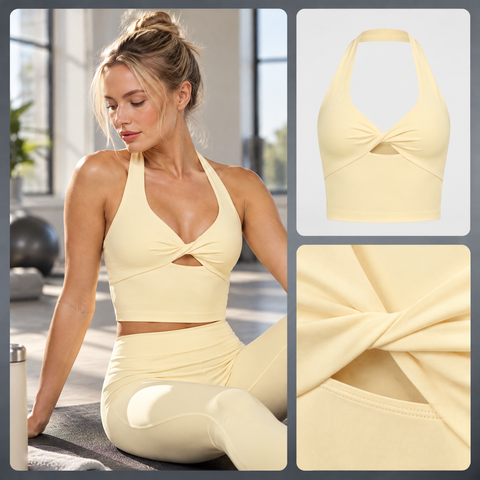 Whitney Twist Front Shelf TankCollage
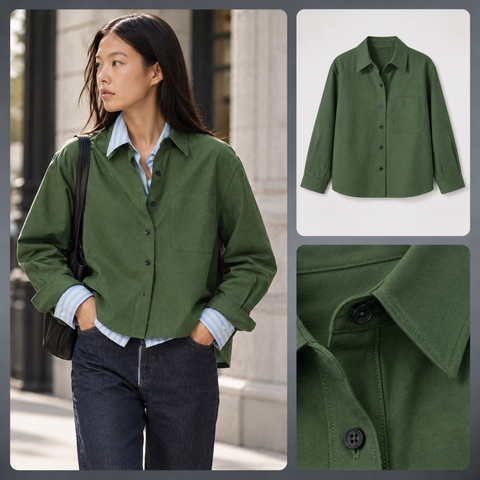 Oxford Boxy ShirtCollage
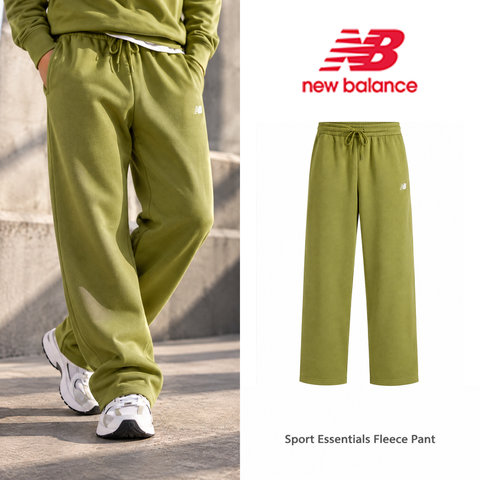 Sport Essentials Fleece PantCollage
Try it on your store
Build your own Apparel Collage catalog ads
Paste your store URL — OptiQube drafts creatives in this style for your products in about a minute.
Apparel Collage catalog ads: what works
- Why does on-body context matter more for apparel than for most categories?
- Shoppers are judging how the piece hangs and moves, not just its color. A flat lay hides fit, while a body-shaped scene answers the "how would this look on me" question directly.
- How should apparel creatives handle seasonal changeovers?
- Swap the scene, not the badge: a coat photographed against snow in January and against rain in October reads as current stock rather than leftover inventory.
- Why show the same product more than once in one ad?
- Each panel answers a different question. The scene shows use and scale, the packshot shows exactly what arrives, and the close-up shows the material or finish a single photo would lose at feed size.


