The Best AI Ad Generators for Ecommerce on Meta in 2026
 Nikolett Lorincz10 min read

There are now hundreds of AI ad generators, and almost every "best of" list is written by one of them. Unsurprisingly, the author's own tool comes first.
For an online store, the bigger problem is that these lists mix very different jobs. A tool that turns a product URL into a video, a tool that designs one static ad from a prompt and a tool that gives every product in a catalog its own creative are not competitors, and the right pick depends on which job you have.
This list sorts the tools by job, with prices checked on a stated date and the limits of each one. Four of them we signed up for and tested ourselves; for the rest we say so. And yes, one of them is ours.
The short answer: there is no single best AI ad generator; it depends on the job. For catalog ads with a creative per product, use a feed-based tool. For one-off static ads, a photo- or prompt-based generator. For video, a video-first tool. Start with Meta's own free AI features, and pay only for what they can't do.
How we picked these tools
We looked at tools that make ad creative for Facebook and Instagram, with an ecommerce store in mind, and judged them on five points: what reaches Meta and how, whether they work from a product feed, output quality and product accuracy, brand control and review, and price at a realistic volume.
What we tested. Between October 28 and November 4, 2026, we signed up for OptiQube, Kive, Creatify and Larven and ran the same tasks in each, with the same two test stores and the same prompts: a lifestyle ad, a premium version with a logo and a discount badge, one style across several products, and a short video. We recorded time, clicks, credits used and whether the product stayed accurate. We didn't launch real ads.
What we didn't test. For Marpipe, Confect, Hunch, Cropink, AdCreative.ai, Predis.ai and Smartly, this list uses public plans and features from their own websites, checked on the dates shown.
Disclosure. OptiQube is our product. We list it first in the category it is built for and say where it falls short; it isn't the best choice for every job in this list.
The best AI ad generators at a glance
| Tool | Best for | Entry price | Works from a product feed | Gets creatives to Meta | Where it falls short |
|---|---|---|---|---|---|
| OptiQube | A creative for every product in a Meta catalog | $29/mo, $25 billed annually | Yes | Paused campaign draft | No video; Meta only |
| Marpipe | Catalog design across many ad channels | Free preview; $199/mo | Yes | Feed to many channels | Startup plan capped at 500 SKUs and 3 designs |
| Confect | Template-built catalog ads, multi-market | $299/mo | Yes | Feed to many channels | Highest entry price here |
| Hunch | Paid social teams at scale | On request | Yes | Meta, TikTok, Snapchat | No public pricing |
| Cropink | Small catalogs starting free | Free up to 25 products; $39/mo up to 100 | Yes | Feed to Meta, TikTok, Snapchat | Paid plan capped at 100 products |
| Kive | High-quality product and lifestyle images | $40/mo, $30 billed yearly | Store URL import | Download files | No publishing; no price or stock data |
| AdCreative.ai | One-off static ads across platforms | $39/mo | No | Download or integrations | Credits per download; video from $249/mo |
| Predis.ai | Social posts and ads with scheduling | $19/mo | No | Social scheduling | 3-day trial needs a card |
| Creatify | Video and UGC-style ads | $15/mo, $10 billed annually | No | Launch tools | Free credits can run out before the first image |
| Larven | Making and running Meta ads in one tool | $99.90/mo + 12% of autopilot ad spend | Store import | Direct to Meta | Card required before the first image |
| Smartly | Enterprise creative and media automation | On request | Yes | Many platforms | Built for large teams and budgets |
Best for catalog ad creative per product
These tools read a product feed and give every product a creative, so a catalog ad shows more than the white-background feed photo. If you run Meta catalog ads, start here.
OptiQube
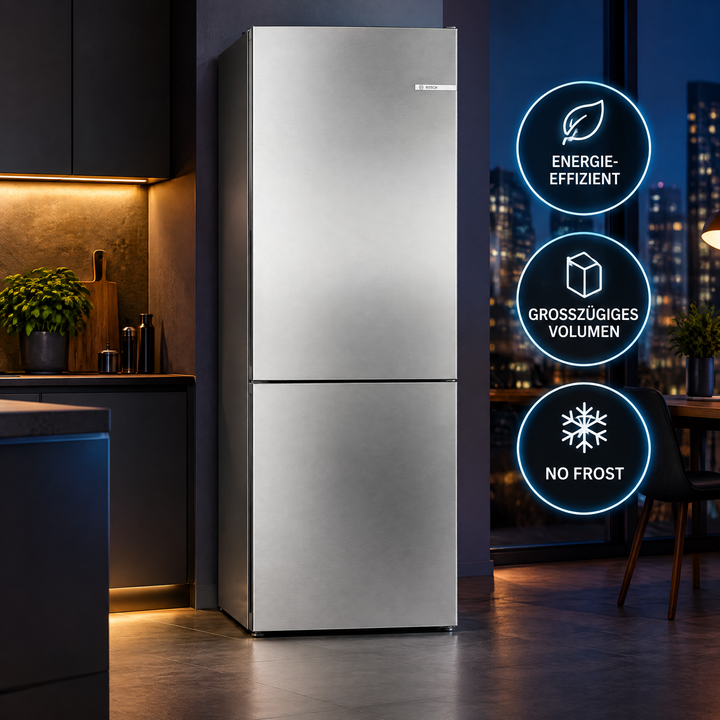
OptiQube generates a new image for every product in a catalog: the product in a scene, with feature callouts, a badge or an offer, in a style you pick. It connects to a Meta catalog, an XML feed, Shopify, WooCommerce, Unas or Shoprenter, keeps prices and stock in sync, and the creatives you approve go to Meta as a paused campaign draft.
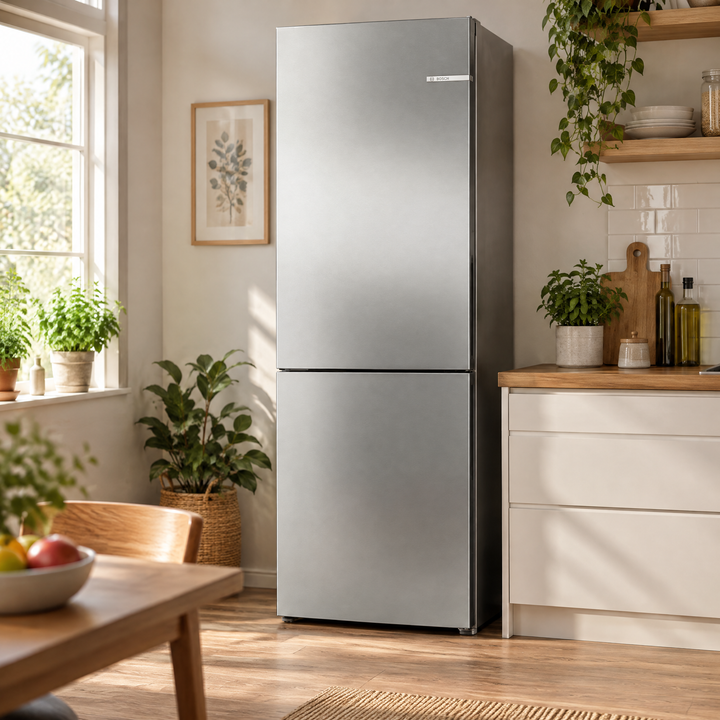
- In our test: about five minutes from a new account to four finished directions for a store's own product, without a card. After connecting a Shopify store, 130 products loaded in about ten seconds, with prices and stock. Three of three test products stayed accurate.
- Where it falls short: in our test the cost of the first four directions wasn't shown in advance (it was for later edits), and it doesn't make video. It is built for Meta only.
- Price: Starter $29/mo ($25 billed annually) with 3,000 credits; a 30-day trial with 1,000 credits, and sending to Meta needs a paid plan (checked November 13, 2026).
Marpipe
Marpipe builds catalog ad designs that run on every product in a feed, and publishes them to Meta, Google, TikTok and other channels. It suits larger brands that sell on several channels at once.
- Where it falls short: the Startup plan covers one channel, three live designs and up to 500 SKUs; the next step is Enterprise.
- Price: a free plan to preview designs; Startup $199/mo; Enterprise $999/mo (checked November 13, 2026). OptiQube vs Marpipe
Confect
Confect is a design tool for catalog ads: you build a template once and it runs on every product, across Meta, TikTok, Snapchat, Pinterest and more. Prices scale with markets and products.
- Where it falls short: the highest entry price in this list, and video catalog ads start on the Pro plan.
- Price: Local $299/mo for one market and up to 3,000 products; Pro $499/mo; Global $999/mo; 20% off billed annually; a 30-day trial (checked November 13, 2026). OptiQube vs Confect
Hunch
Hunch is a creative platform for paid social teams: it turns a product feed or a spreadsheet into hundreds of template variations for Meta, Snapchat and TikTok, and keeps feeds updated.
- Where it falls short: no public prices; the pricing page says you pay for what you use and asks you to book a demo.
- Price: on request (checked November 13, 2026).
Cropink
Cropink connects product data from XML, CSV, a Meta catalog or Shopify, and creates catalog ads with design tools and a Figma plugin for Meta, TikTok, Snapchat and more.
- Where it falls short: the paid plan covers up to 100 products; larger catalogs go to Enterprise.
- Price: free forever for up to 25 products; $39/mo for up to 100 products; Enterprise custom (checked November 13, 2026).
Best for static social ads from a photo or prompt
These tools make individual ads, usually from a product page, a photo or a prompt. They are strong for a campaign or a hero product, and weaker for a large catalog.
Kive
Kive builds a model of each product from a few photos and generates product and lifestyle images in bulk, plus short videos.
- In our test: it produced four sample images with our own products in about five minutes, without being asked, and imported ten of ten products from the store URL. Three of three products stayed accurate, including in a four-second video. The cost of each image showed before generating; a bulk run's estimate was lower than what it finally charged.
- Where it falls short: it doesn't publish anything: you download the files. It didn't import prices or stock, and it asked for the price and the logo separately. Two products got the same composition.
- Price: a free plan with watermarked images; Basic $40/mo ($30 billed yearly) (checked November 4, 2026). OptiQube vs Kive
AdCreative.ai
AdCreative.ai generates static ads and variants for several ad platforms, one creative at a time, and charges a credit for each download. If you're thinking of switching, see our list of AdCreative.ai alternatives.
- Where it falls short: it doesn't work from a product feed, so a catalog means one creative after another; video starts on the Professional plan.
- Price: from $39/mo ($20/mo billed yearly); video from $249/mo; a 7-day trial with a card (checked November 19, 2026). OptiQube vs AdCreative.ai
Predis.ai
Predis.ai makes social posts and ads, including product videos, and schedules them to social channels, with competitor analysis on every plan.
- Where it falls short: it is a social content tool first; there is no catalog feed, and the 3-day trial needs a card.
- Price: Core $19/mo with 1,300 credits, Rise $40/mo, Enterprise+ $212/mo (checked November 13, 2026).
Best for video ads
If the ad you need is a video, these tools are built for it. OptiQube doesn't make video, so if that is your main need, look here.
Creatify
Creatify turns a product URL into video and image ads with avatars, product shots and AI models, and adds competitor tracking and ad cloning on higher plans.
- In our test: its brand profile was the most thorough of the four tools: it read our test store's selling points, products with prices and even its local competitors. Its ad clone kept the reference layout and used the real product photo, so the label stayed exact, though it pulled a wrong second product from the product page.
- Where it falls short: the ten free credits ran out on building the brand profile and the agent's planning, before any image; the clone and image tools didn't show the cost in advance.
- Price: a free plan with a watermark; Standard $15/mo ($10 billed annually); Pro $55/mo with the competitor tracker and Ad Clone (checked November 4, 2026). OptiQube vs Creatify
Larven
Larven calls itself an AI CMO: it builds ads from your store's products, publishes them to Meta and TikTok, and an autopilot creates, tests and rebudgets them daily.
- In our test: once paid, it produced magazine-like images, and three of three products stayed accurate. It connects directly to Meta.
- Where it falls short: there is no free plan, and it asks for a card before it makes a single image; during signup we saw a 15-minute discount countdown. The entry plan includes a limited number of images and, in our test, no video credits; the autopilot costs 12% of ad spend on the Starter and Scale plans.
- Price: Starter $99.90/mo ($49.95 billed yearly) plus 12% of autopilot ad spend; Pro $399/mo with no fee (checked November 4, 2026). OptiQube vs Larven
Best for enterprise creative and media automation
Smartly
Smartly combines creative production, media buying and reporting for large advertisers. Its dynamic product ads turn product feeds into on-brand image and video templates and enrich catalog data with generative AI, across Meta, TikTok, Snapchat and Pinterest.
- Where it falls short: it is built for large teams and budgets, and there is no public pricing.
- Price: on request (checked November 13, 2026).
Platforms that also buy the media for you, sometimes called AI advertising platforms, are a different category: they decide budgets and audiences, not only creative.
Free options: Meta's own AI tools and Canva
Before paying for anything, try what is free.
Meta's own generative AI features are built into Ads Manager. Since October 2023, Meta has offered Background Generation, Image Expansion and Text Variations, and its Advantage+ creative options can adjust images and add overlays for each impression. Our guide to Advantage+ catalog ads covers what they change. They are good enough for quick variations; they don't give every product a new scene in your own style with a review step before it runs.
Canva has a free plan with design tools and some AI features, and paid plans add more AI capacity. It is a design tool rather than an ad generator: good for a few hand-made ads, slow for a catalog.
How to choose
Four questions get you to a short list:
- Do you run catalog ads? If yes, start with the feed-based tools; a static generator means making each product's ad by hand.
- Do you need video? If yes, add a video-first tool; most catalog tools are about images.
- How large is the catalog, and how many channels? Small catalogs fit free and entry plans; many products and channels push you to Marpipe, Confect or an enterprise platform.
- Who approves the ads? Pick a tool that lets someone review every creative before it spends money.
Whatever you pick, test it on your own products before you commit, and compare the new creative with what you run today. Our guide to ad creative automation explains the types of tools behind this list, and our comparisons set OptiQube against nine of them in detail. For what AI does well and what to check before a creative runs, see our guide to AI-generated ads.
Frequently asked questions
What is the best AI ad generator for ecommerce?
It depends on the job. For catalog ads with a creative for every product, pick a feed-based tool such as OptiQube, Marpipe or Confect. For one-off static ads from a photo or prompt, a tool such as Kive, AdCreative.ai or Predis.ai. For video, Creatify. Start with Meta's own free AI features and pay only for what they can't do.
What is the best tool for Meta catalog ad creatives?
A tool that reads your product feed and gives every product its own creative. OptiQube, our product, generates a new image per product and sends approved creatives to Meta as a paused campaign draft. Marpipe and Confect apply designs you build to every product across several ad channels, at higher entry prices.
Is there a free AI ad generator?
Yes, with limits. Meta's own generative AI features in Ads Manager are free to use. Canva has a free plan with some AI tools. Cropink's free plan covers up to 25 products, Marpipe has a free preview plan, and several paid tools offer free trials or credits, often with watermarks.
What is the best AI tool for Facebook and Instagram ad creatives?
For a store with a catalog, a feed-based tool that makes a creative per product. For single campaigns, a static ad generator that works from a product photo or prompt. Either way, check that the tool keeps your real product accurate and that you can review every creative before it runs.
What is the best AI video ad generator?
Among the tools in this list, Creatify is the most video-focused: avatar, product and AI-model videos are its core product, from a $15 a month plan. Kive and Larven also make short videos from product images. OptiQube doesn't make video.
Can AI ad generators connect to my product catalog?
Some can. Feed-based tools such as OptiQube, Marpipe, Confect, Hunch and Cropink connect to a feed, a store or a Meta catalog and keep products in sync. Many static ad generators read a product page instead, which works for a few products but not for a large catalog.
How much do AI ad generators cost?
Entry prices in this list range from free plans to about $300 a month, checked in November 2026. Most tools sell credits, so the real cost depends on how many images or videos you make. Enterprise platforms price on request. Check how credits convert to finished ads before you buy.
Should I use Meta's own AI tools or a separate AI ad generator?
Start with Meta's own tools, since they are free and built into Ads Manager. Add a separate tool when you need things Meta doesn't do: a creative for every product in your own style, control over the look, a review step before anything runs, or video and formats Meta's tools don't cover.
Pick by the job, not by the longest feature list
The best AI ad generator is the one that does your job well and lets you check its work. For a store running catalog ads, that means a creative for every product, accurate products and a review step; for a launch video, a video tool. Prices and features change often, so check the dates in this list against the tools' own pages before you buy.
Browse the ad library to see what OptiQube makes for real products, or start for free and generate catalog ad creatives for your own feed.